A pulsing or shuddering brake pedal after a curb strike deserves an inspection, but it does not automatically mean the brake rotor is defective. The vibration may involve the tire, wheel, hub, brake rotor, or steering and suspension components. The most useful first clue is whether the vibration appears only during braking or is also present while the vehicle is coasting.
Start with when the vibration occurs
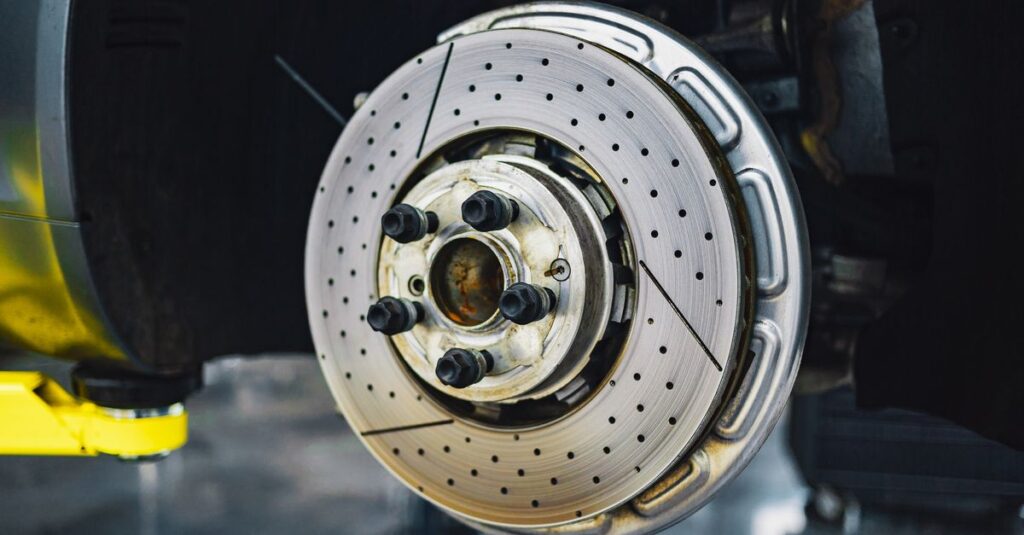
If the vibration appears only during deceleration, rotor thickness variation or runout can produce brake judder felt through the brake pedal, floor, or steering wheel. That is a legitimate brake-system lead, but it is not proof that the rotor is the only problem. A technical bulletin on brake judder describes how those rotor conditions can create the symptom.
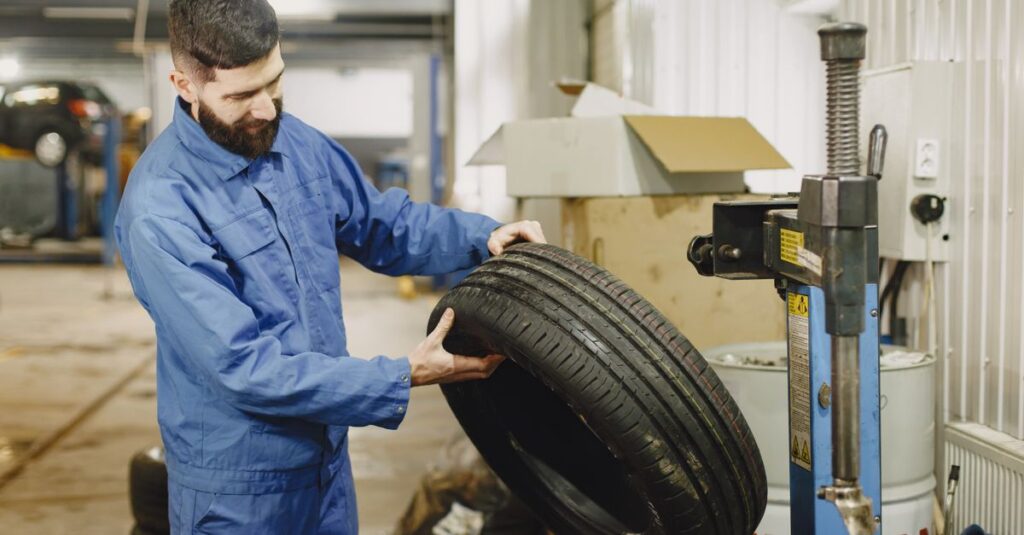
If the vehicle vibrates while coasting or driving without the brakes and the vibration becomes more noticeable when the brakes are applied, the initial diagnostic path should also include the wheel and tire, including possible repair or balancing. In that pattern, replacing a rotor without examining the wheel and tire can miss the source of the complaint. A brake-vibration diagnostic bulletin specifically cautions against assuming the rotor is at fault automatically.
When describing the symptom to a repair shop, note whether you feel it mainly in the pedal, steering wheel, or floor. That detail does not identify the failed part by itself, but it helps the technician reproduce the problem and choose the right inspection path.
Why a curb impact changes the inspection priority
A curb can affect more than the brake assembly. Damage or looseness involving the tire, wheel, hub, or steering and suspension components can create or amplify vibration during braking. That makes a broader inspection appropriate after an impact; it does not prove that any one of those parts has failed. IAR’s brake-vibration overview outlines this diagnostic approach.
A qualified technician should consider checking:
- The tire and wheel: Look for impact-related damage and determine whether the wheel and tire need repair or balancing.
- The brake rotor: Check for thickness variation or runout rather than assuming the rotor is “warped.”
- The hub, wheel flange, and mounting surfaces: Damage, corrosion, contamination, or improper seating can affect how the assembly runs.
- Steering and suspension components: Inspect for damage or looseness that could contribute to the vibration.
The wheel, hub, and mounting surfaces matter because a brake rotor can appear to be the problem when the underlying issue involves how the assembly is mounted or rotates. The NHTSA-hosted diagnostic bulletin recommends examining those related areas rather than condemning the rotor without further checks.
Warning signs that make this more than a routine vibration
Do not treat the complaint as a minor vibration if braking performance has declined, the pedal sinks or feels unsafe, or the vehicle pulls strongly. A brake warning, overheated-brake smell, smoke, or fluid leakage also calls for prompt qualified inspection. IAR lists these symptoms as reasons not to treat the issue as a routine vibration complaint.
If any of those warning signs appear, avoid normal driving until the vehicle has been assessed. If the vehicle cannot be operated safely, arrange professional assistance rather than attempting to diagnose or repair the brake system at the roadside.
What to tell the repair shop
Give the technician a concise timeline: when the curb was hit, whether the vibration began immediately afterward, whether it occurs while coasting, and where it is felt. Also mention any pull, warning light, unusual smell, smoke, fluid, or change in pedal feel.
The symptom alone cannot identify a failed part. A sound diagnosis should separate brake-only vibration from vibration that exists during ordinary driving, then inspect the tire, wheel, rotor, hub, mounting surfaces, and steering or suspension as appropriate. That approach is more reliable than replacing a rotor based solely on a pulsing pedal.
The practical takeaway is simple: after a curb impact, a brake-pedal vibration should prompt a complete wheel-and-brake inspection. The rotor may be involved, but the tire, wheel, hub, mounting surfaces, or suspension deserve attention before a repair decision is made.