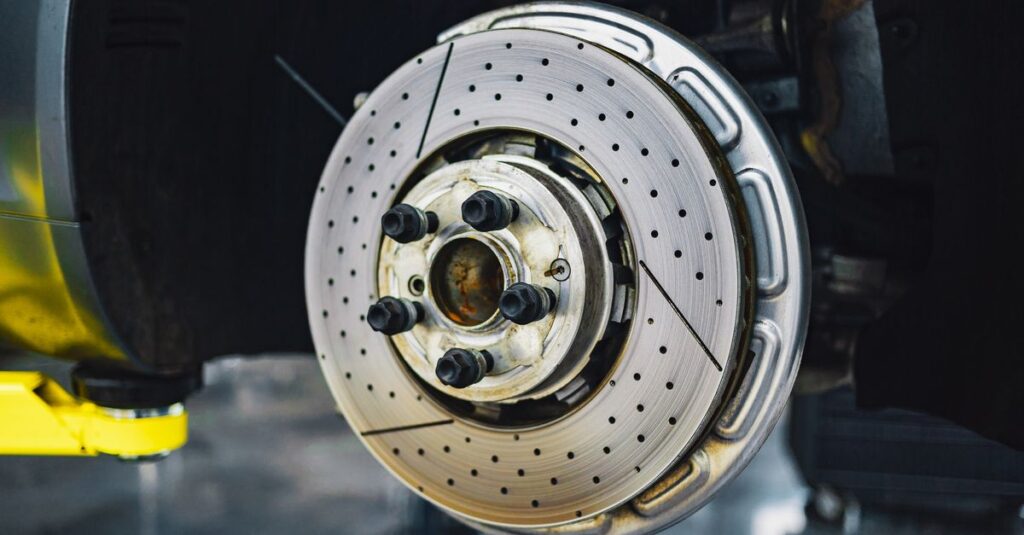
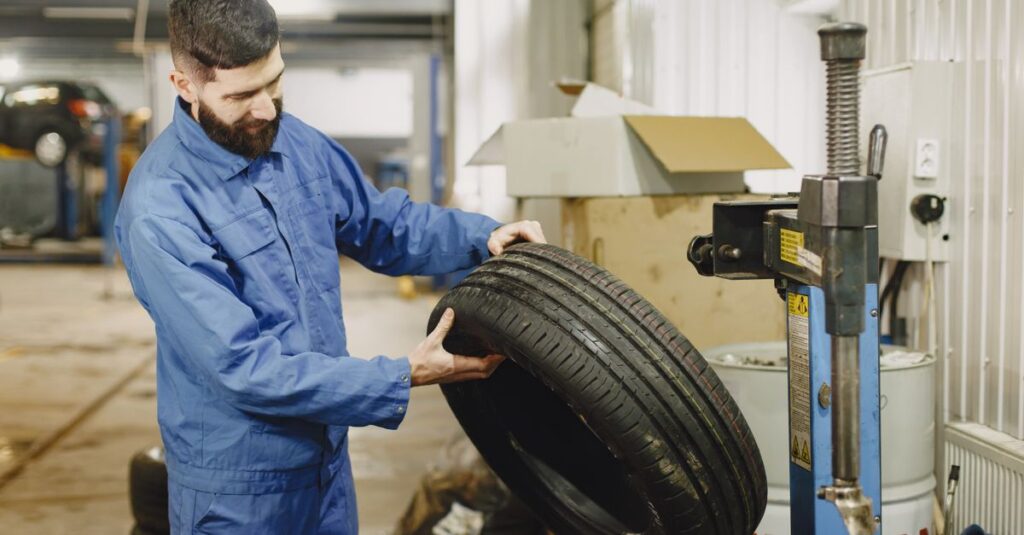
A vibration that appears immediately after a tire rotation is a reason to pause, not something to automatically dismiss as the tires settling. Possible causes include wheel-and-tire imbalance, tire damage, uneven wear, or an installation-related problem. For U.S. drivers, the safest response depends on how suddenly the vibration began, how severe it is and whether the tire shows visible damage. An online symptom checklist cannot replace an inspection.
If the vibration starts suddenly, slow down safely
Treat an abrupt vibration or ride disturbance as a safety issue rather than testing it at higher speed. Guidance from the U.S. Tire Manufacturers Association and Toyo Tire U.S.A. recommends gradually reducing speed, avoiding abrupt braking or turning, pulling over in a safe location and inspecting the tire if it can be done safely.
Driving on a damaged tire can lead to sudden failure. If the tire appears damaged, has lost pressure or cannot be safely inspected at the roadside, do not continue driving on it. Arrange roadside assistance or have a qualified tire professional examine the vehicle.
What to check once the car is safely parked
- Verify inflation pressure. After a rotation, check and adjust each tire to the vehicle manufacturer’s specified pressure. The NHTSA-hosted material also connects uneven wear with the need to inspect for imbalance, misalignment or another mechanical problem.
- Note where you feel the vibration. Cars.com explains that a shake felt through the steering wheel may suggest a problem toward the front, while one felt through the seat may point farther rearward. This is only a clue, not a diagnosis.
- Look for visible tire damage or uneven wear. Do not assume that a recently rotated tire is safe simply because it looks inflated. Uneven wear deserves a professional inspection of the tire, wheel balance, alignment and related components.
The timing is useful information for the shop, but it does not prove that the rotation caused the problem.
Could cold-weather flat spotting be the cause?
A mild vibration after a car has been sitting in cold conditions may result from temporary tire flat spotting. Michelin explains that this type of vibration can diminish as the tires warm.
That possibility is not a blanket explanation for every post-rotation shake. If the vibration remains after the tires warm, returns repeatedly, becomes stronger or is more than mild, have a tire professional evaluate it. Do not deliberately use highway speed to test an unresolved vibration.
What to ask the tire shop to recheck
Tell the shop that the vibration began after the rotation and ask it to:
- confirm inflation pressure against the vehicle manufacturer’s specification;
- inspect the tires and wheels for damage and uneven wear;
- verify wheel balance and the wheel-and-tire installation; and
- check alignment or another mechanical issue if the inspection indicates it.
A shop that performed the rotation should be given the opportunity to recheck its work, but a technician may find that the vibration comes from a preexisting tire, wheel or vehicle problem instead.
When to stop driving
Pull over after gradually reducing speed if the vibration is sudden or strong. Do not keep driving on a visibly damaged or pressure-losing tire. A mild cold-weather vibration that fades as the tires warm may be temporary, but a persistent or recurring vibration still warrants a professional inspection.
The safest rule is simple: a new vibration after tire service should be reported and checked, not ignored or diagnosed solely by where it can be felt.