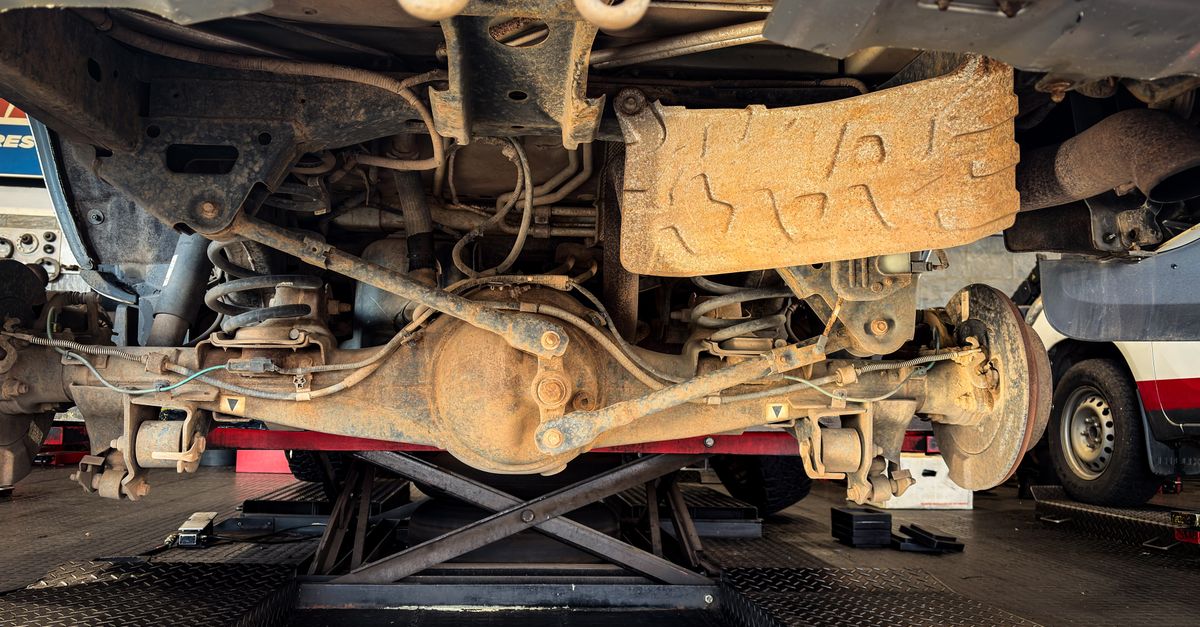
An attractive used car can hide problems that a short test drive will not reveal. Structural rust, flood-related corrosion and repairs or cleanup that conceal water intrusion can create expensive safety and reliability concerns. For U.S. shoppers, the safest process is to inspect the vehicle in daylight on a dry day and then arrange an independent pre-purchase inspection by a qualified mechanic, as recommended by Consumer Reports and the Federal Trade Commission.
A visual inspection is a screening tool, not proof that a vehicle is structurally sound or free of hidden flood damage. Use the following checks to identify warning signs before committing money or signing over paperwork.
Start with the title and vehicle history
Review the title and available vehicle-history records for flood, salvage, rebuilt or other branding. Those records can reveal problems that are not obvious from the paint or interior. Guidance from the Michigan Department of Insurance and Financial Services and Consumer Reports also makes an important point: a clear title or clean history report is not proof that the car has never suffered flood damage.
Treat the report as one part of the investigation. If the seller’s description, title branding and physical condition do not line up, pause the purchase and arrange a professional inspection rather than relying on an explanation at the curb.
Inspect the body in daylight
Look over the vehicle on a dry day and in good daylight. Examine the body for visible rust and clues that panels or other areas may have been repaired. Wet surfaces, poor lighting or a hurried inspection can make those clues harder to see. Consumer Reports’ used-car inspection guidance recommends making this initial check before buying.
Do not assume that visible rust is merely cosmetic. The outside of the vehicle cannot show the full condition of its structural areas, and extensive rust underneath requires evaluation by a qualified technician. A quick walk-around should determine whether the car deserves a closer inspection—not provide a final verdict.
Examine the underbody safely
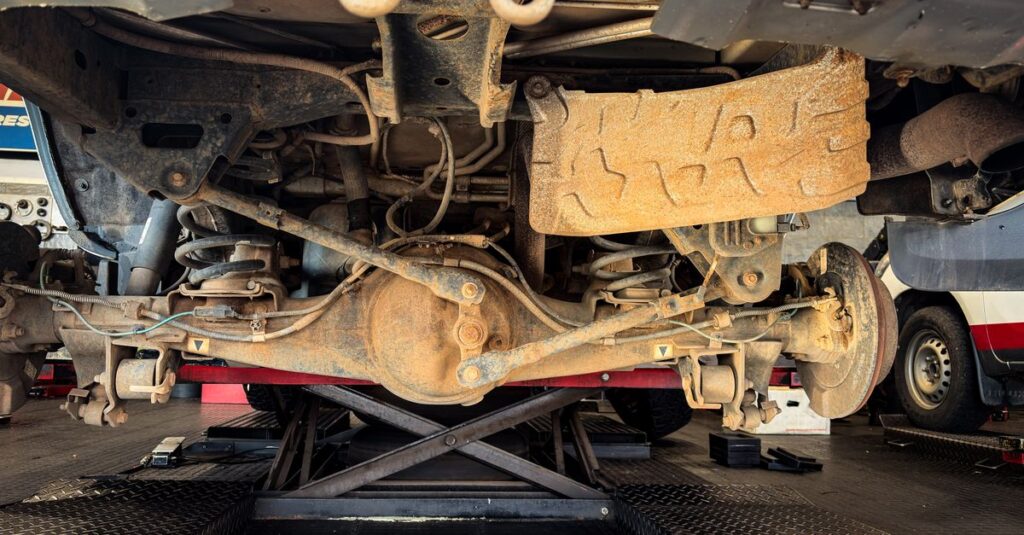
The underside is where a serious problem may become apparent. Look for unusual rust, corrosion, flaking metal and damage affecting the frame, suspension, brake lines or other underbody components. NHTSA’s guidance on hurricane- and flood-damaged vehicles and the Minnesota Attorney General’s consumer guidance both point buyers toward these areas.
Do not crawl beneath a vehicle that is not safely supported. If the seller will not permit a proper underbody inspection, have a shop raise the car on a professional lift or reconsider the purchase. A view from the ground is not a substitute for a safe, thorough examination.
Frame or unibody damage, extensive structural rust and corrosion around suspension or brake components should be assessed by a qualified technician before purchase. The appearance of a single rusted part is not enough to determine the extent of the problem.
Search the cabin for flood-damage clues
Flood evidence may remain in places that are easy to overlook. NHTSA, the FTC and AAA identify several warning signs, including:
- Mud or dirt in unusual areas
- Waterlines or stains
- Mildew or an unusual odor
- Stained carpeting
- Corrosion in places that normally should remain dry
Inspect seat-mounting screws, fasteners, wiring, fuse-box areas and other metal components for rust. Also look for signs that the interior was removed or replaced. The Texas Department of Motor Vehicles’ flood-damage buyer guide and AAA note that these areas can reveal water exposure even after a vehicle has been cleaned up.
A fresh-looking cabin does not eliminate the risk. Carpeting, trim or other interior parts may have been cleaned or replaced, so the absence of an obvious smell or stain should not override corrosion or other physical evidence.
Pay for an independent pre-purchase inspection
Once the initial checks are complete, have a qualified mechanic inspect the vehicle before you buy it. Choose a shop that is independent of the seller and tell the technician about any suspected flood exposure, structural rust or previous repair. The goal is to determine whether the warning signs are limited and repairable or point to a broader structural or electrical problem.
The inspection is especially important when the vehicle shows corrosion on the frame or unibody structure, suspension, brake lines or wiring. A technician can evaluate areas that a buyer cannot safely or reliably inspect at home.
A seller who refuses to allow an independent inspection is a significant warning sign. Minnesota’s consumer guidance and Consumer Reports both support treating that refusal seriously. There are plenty of used cars for sale; there is little reason to accept one that cannot be examined properly.
The bottom line for used-car shoppers
Before buying, make sure you have:
- Reviewed the title and vehicle-history records
- Inspected the body in daylight on a dry day
- Looked for rust, corrosion and flaking metal underneath
- Checked the cabin for waterlines, odors, stains and hidden rust
- Arranged an independent inspection by a qualified mechanic
No single clue proves a car has flood damage or a structurally unsafe frame. But several clues together—or any evidence involving structural metal, brake lines, suspension or wiring—should stop the transaction until a professional evaluates the vehicle. If the seller will not provide that opportunity, walking away is usually the safer choice.
Source 1 · Source 2 · Source 3 · Source 4 · Source 5 · Source 6 · Source 7 · Source 8 · Source 9